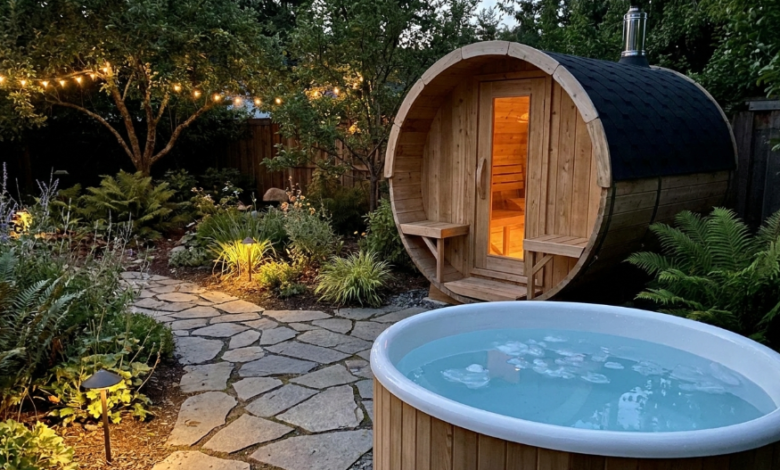
A typical home cold plunge runs between 39 and 59 degrees Fahrenheit, with most beginners starting near the warmer end and a session lasting anywhere from 30 seconds up to five minutes depending on experience. Slow, controlled breathing on entry matters more than gritting through the shock, and three to five sessions a week is a common routine without any strong evidence that daily use adds meaningfully more benefit. In a shared setting, keeping turns short and predictable matters as much as the water temperature itself.
What Temperature Should the Water Actually Be?
Home cold plunges generally sit somewhere in the 39 to 59 degree Fahrenheit range, and there is no single number that every user needs to hit. Beginners usually start closer to 55 to 59 degrees, which still delivers a real cold shock without being as punishing as the low end of the range, then work colder over several weeks as tolerance builds. Athletes and longtime users often prefer 39 to 50 degrees, but colder is not automatically better; going lower mostly shortens how long you can safely stay in rather than adding proportional benefit.
How Long Should a Cold Plunge Session Last?
A first-time session of 30 seconds to a minute is plenty, and pushing past that on day one usually just teaches the body to dread the next attempt. Regular users commonly settle into two to five minute sessions once tolerance builds, and most guidance from experienced practitioners caps a single session well under ten minutes, since prolonged cold exposure raises the risk of excessive core temperature drop without a clear added benefit past that point. Duration matters less than consistency; a shorter session done three or four times a week beats one long session done occasionally, and a kitchen timer or phone alarm removes the guesswork of estimating elapsed minutes while shivering.
Breathing and Getting In Without Panicking
The first 15 to 30 seconds after entry trigger a cold shock response, an involuntary gasp reflex and rapid, shallow breathing that catches a lot of first-timers off guard. Fighting it by holding your breath tends to make the reaction worse; slow, deliberate exhales, longer than the inhales, help the nervous system settle faster. Entering at a steady pace rather than jumping in also gives the body a moment to start adjusting before full submersion, which most regular users find noticeably easier than a sudden full-body entry.
How Often Is Actually Useful?
Three to five sessions a week is the routine most home users land on, balancing consistency with recovery time and simple practicality around a daily schedule. There is no strong research pinning down an optimal weekly frequency, so this comes down largely to personal tolerance and how the routine fits into daily life rather than a number backed by a specific study. Daily use is fine for most healthy adults who tolerate the cold well, though anyone doing cold exposure right after resistance training should be aware that regular immersion in that specific window is associated with somewhat smaller strength and muscle gains in some research.
Shared and Gym Cold Plunge Etiquette
In a gym, spa, or shared household setting, a turn of three to five minutes is a reasonable cap that keeps the line moving without cutting anyone’s session unreasonably short. Rinsing off before entering keeps sweat, lotion, and sunscreen out of shared water, which matters for water quality far more in a shared tub than a private one. Wiping down the rim and stepping out promptly once your time is up, rather than lingering to chat, is the single etiquette point that comes up most often in shared-facility complaints. Bringing your own towel and a pair of sandals for the walk back also keeps the immediate area around a shared tub from turning into a slip hazard for the next person waiting their turn.
Timing a Plunge Around a Workout
The timing question that comes up most is whether to plunge before or after training, and the honest answer depends on the goal. A brief cold exposure before a workout can feel invigorating but is not something most training programs specifically call for, and it offers no clear performance advantage backed by research. After endurance training, cold exposure appears to help with perceived recovery and reduced soreness for a lot of users, which lines up with what the general cold water immersion evidence shows. After strength or hypertrophy-focused resistance training is the one window worth more caution, since some research outside general recovery studies suggests immersing regularly right after those sessions may blunt long-term strength and muscle gains, likely by interfering with the inflammation the body uses to adapt. A practical middle ground a lot of experienced lifters land on is separating cold plunges from lifting sessions by several hours, or saving them for rest days and cardio days instead, which sidesteps the concern without giving up the practice entirely.
When to Skip a Session
Skipping a plunge is the right call after heavy alcohol use, when running a fever, or immediately following an injury where cold exposure could mask pain signals you actually need to notice. People with unstable angina, a recent heart attack, or uncontrolled high blood pressure are commonly flagged in the broader cold and heat exposure research as groups who should be more cautious with either extreme. For anyone weighing whether to build a home routine versus relying on gym access, it is worth comparing a private setup’s cost against membership fees over a year; SweatDecks lists current tub and chiller pricing that makes that comparison straightforward.
Frequently Asked Questions
What temperature should a cold plunge be set to?
Most home users settle between 39 and 59 degrees Fahrenheit, with beginners starting warmer and working colder over weeks.
How long should a cold plunge session last?
Beginners start with 30 seconds to two minutes; experienced users often reach two to five minutes, with little benefit past ten minutes.
Should I hold my breath during a cold plunge?
No, slow controlled breathing works better than holding your breath and helps settle the initial cold shock response.
How often should someone use a cold plunge?
Three to five times a week is common, though no single frequency is proven optimal, and daily use suits most healthy adults.
Is it rude to linger too long in a shared cold plunge?
Yes, capping a turn around three to five minutes and stepping out promptly is standard shared-facility etiquette.
References
- Cardiovascular and Other Health Benefits of Sauna Bathing: A Review of the Evidence (Mayo Clinic Proceedings, 2018)
- Effects of heat and cold on health, with special reference to Finnish sauna bathing (American Journal of Physiology, 2018)
- Effects of cold-water immersion on health and wellbeing: A systematic review and meta-analysis (PLoS One, 2025)
- Effects of cold water immersion after exercise on fatigue recovery and exercise performance: meta analysis (Frontiers in Physiology, 2023)