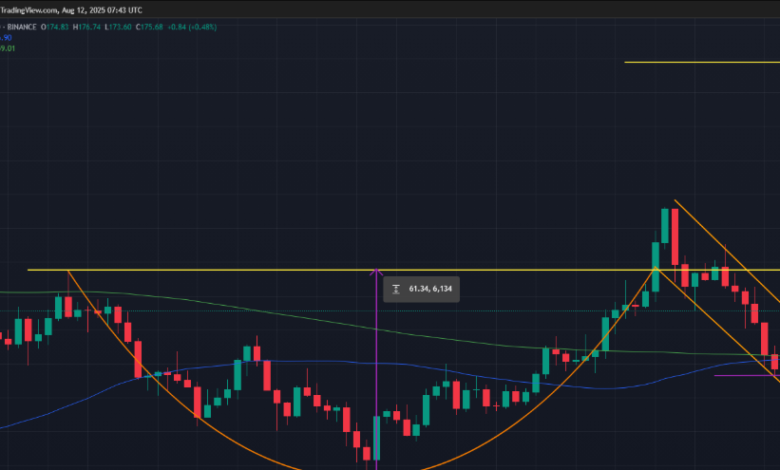
Introduction to Solana Chart Patterns
Understanding chart patterns is one of the most effective ways to analyze price movements in cryptocurrency markets. The solana chart often displays repeating patterns that reflect trader psychology, market sentiment, and momentum shifts.
These patterns don’t predict the future with certainty, but they help traders identify high-probability setups. In 2025, as Solana continues to attract developers and investors, recognizing these chart formations can provide a strong analytical edge.
This article covers the five most important Solana chart patterns every trader should understand.
What Are Chart Patterns and Why They Matter
Chart patterns are visual formations created by price movements over time. They form due to consistent buying and selling behavior.
Why Chart Patterns Are Important
- Help identify potential trend reversals
- Signal continuation of existing trends
- Improve entry and exit timing
- Reduce emotional decision-making
When used correctly, chart patterns turn the Solana chart into a decision-making tool rather than a guessing game.
1. Ascending Triangle Pattern on the Solana Chart
The ascending triangle is a bullish continuation pattern that frequently appears during strong uptrends.
How to Identify It
- Flat resistance level at the top
- Rising support line from below
- Price gradually compresses toward resistance
What It Signals
- Buyers are becoming more aggressive
- Breakout above resistance often leads to upward momentum
On the Solana chart, ascending triangles usually form before strong rallies, especially during periods of high trading volume.
2. Descending Triangle Pattern
The descending triangle is typically a bearish continuation pattern, signaling potential downside risk.
Key Characteristics
- Flat support level at the bottom
- Lower highs forming downward slope
- Increasing selling pressure
Trading Insight
If the price breaks below support with strong volume, it often confirms a bearish move. Traders use this pattern to manage risk or prepare short-term strategies.
3. Head and Shoulders Pattern
This is one of the most well-known reversal patterns on any Solana chart.
Structure of the Pattern
- Left shoulder: Initial price peak
- Head: Higher peak
- Right shoulder: Lower peak
- Neckline: Support level connecting the lows
What It Indicates
- Trend reversal from bullish to bearish
- Loss of upward momentum
When confirmed, the head and shoulders pattern often signals a major shift in SOL price direction.
4. Double Top and Double Bottom Patterns
These patterns represent strong market rejection at key price levels.
Double Top
- Two price peaks at similar levels
- Indicates resistance and possible downtrend
Double Bottom
- Two price lows at similar levels
- Signals strong support and potential uptrend
On the Solana chart, double bottoms are especially popular among long-term investors looking for trend reversals.
5. Bull Flag and Bear Flag Patterns
Flags are short-term continuation patterns that occur after sharp price moves.
Bull Flag
- Strong upward move (flagpole)
- Small consolidation downward
- Breakout continues upward
Bear Flag
- Sharp drop in price
- Small upward consolidation
- Breakdown continues downward
These patterns are common during periods of high volatility on the Solana chart.
How to Confirm Solana Chart Patterns
Chart patterns should never be used alone.
Best Confirmation Tools
- Trading volume
- Support and resistance levels
- RSI and moving averages
Confirmation reduces false signals and improves accuracy.
Common Mistakes When Trading Solana Chart Patterns
Avoid these frequent errors:
- Entering trades before confirmation
- Ignoring overall market trend
- Overtrading based on small patterns
- Forgetting risk management
Patience is key when trading chart formations.
FAQs About Solana Chart Patterns
1. Are Solana chart patterns reliable?
They are reliable when confirmed with volume and indicators, but no pattern is 100% accurate.
2. Which Solana chart pattern is best for beginners?
Double bottom and ascending triangle patterns are easier to identify and trade.
3. Do patterns work on all timeframes?
Yes, but higher timeframes generally provide stronger signals.
4. Can chart patterns fail?
Yes. Market news and sudden volatility can invalidate patterns.
5. Should I use indicators with patterns?
Absolutely. Indicators improve confirmation and accuracy.
6. Where can I practice identifying Solana chart patterns?
Platforms like TradingView allow free chart analysis and practice.
Conclusion: Mastering Solana Chart Patterns in 2025
Learning chart patterns can significantly improve your understanding of market behavior. The solana chart offers valuable visual clues that help traders anticipate price movements and manage risk more effectively.
By mastering these five essential patterns and combining them with proper confirmation tools, traders can approach the Solana market with greater confidence and discipline.